
The newsroom behind the reporting
About Winslow Arsenault
Who we are, how the newsroom is organised by beat, and the editorial principles that guide our international coverage for readers in the United States.
A working newsroom, not a wire relay
Winslow Arsenault publishes international news and analysis for a US readership that needs to understand consequences, not just events. Everything we put out starts with someone assigned to it: a reporter who knows the file, an editor who reads it against what came before, and a beat desk that owns the follow-up. We work from a Brooklyn office and from contributors who file from the regions they cover, which means the coverage is argued in one place and reported in another. That gap is deliberate — it keeps us from repeating whichever framing is loudest that morning, and it keeps sourcing decisions with the desk that has to defend them.
-
Assignment first
Every story is owned by a named reporter and a desk editor before it is written. Anonymous aggregation does not run on this site.
-
Two-source floor
Claims about a government, a company or a person need at least two independent sources, or one source plus a document we can describe in the story.
-
Corrections on the record
When we get something wrong, the fix is dated and attached to the story. Quiet edits are treated as a second mistake.
-
Analysis is labelled
Reported fact and argument are separated on the page, so a reader always knows which one they are reading.
How the desk is divided
Nine beats carry the publication. Each one has a desk editor who decides what gets reported, what waits, and what belongs on a different desk entirely. The list below is the full structure — not a sample of it.
If you are not sure which desk a story belongs to, start with Sections — it lists every beat and the most recent work on each one.
Who stands behind the copy
Byline credit means something here. Below is the shape of the newsroom — how the roles divide, and which decisions each one owns. Our desks are staffed by reporters and editors who work the same beat for years at a time, and the masthead is published so readers can see who is accountable for what.
Editor in chief
The final call on what leads the edition, what waits, and what gets held back for more reporting.
Owns the front page and the standards docket
Managing editor
Runs the daily file, keeps the desks on schedule, and decides when a story is ready to publish.
Publishing schedule and copy flow
Beat editors
Commission work inside their beat, hold the reporter to the sourcing floor, and kill stories that cannot stand.
Nine desks across the publication
Correspondents
Report from the regions they cover, file to their desk, and keep the local record that desk analysis depends on.
Regional reporting in the field
Standards desk
Reviews contested stories before publication and handles corrections after it.
Corrections and editorial review
The editorial principles
Five rules decide how a story gets written here. They are the same five we check against before anything publishes.
Report the event, then explain the stake
A reader should finish a piece knowing what changed and who it lands on. If the second half is missing, the story is not finished.
Name the sourcing limits
When a claim rests on a single source, a briefing or a document we cannot quote in full, the story says so in plain words.
Separate the analysis from the news
Opinion is written by named members of the newsroom and marked as analysis on the page. It never wears the clothes of a dispatch.
Correct in public, promptly
Corrections carry a date and stay attached to the original piece. The full procedure lives on Editorial Standards.
Keep commercial pressure out of the copy
Advertising and sponsorship never influence what a desk reports. When a piece was produced with outside support, that note sits at the foot of the story.
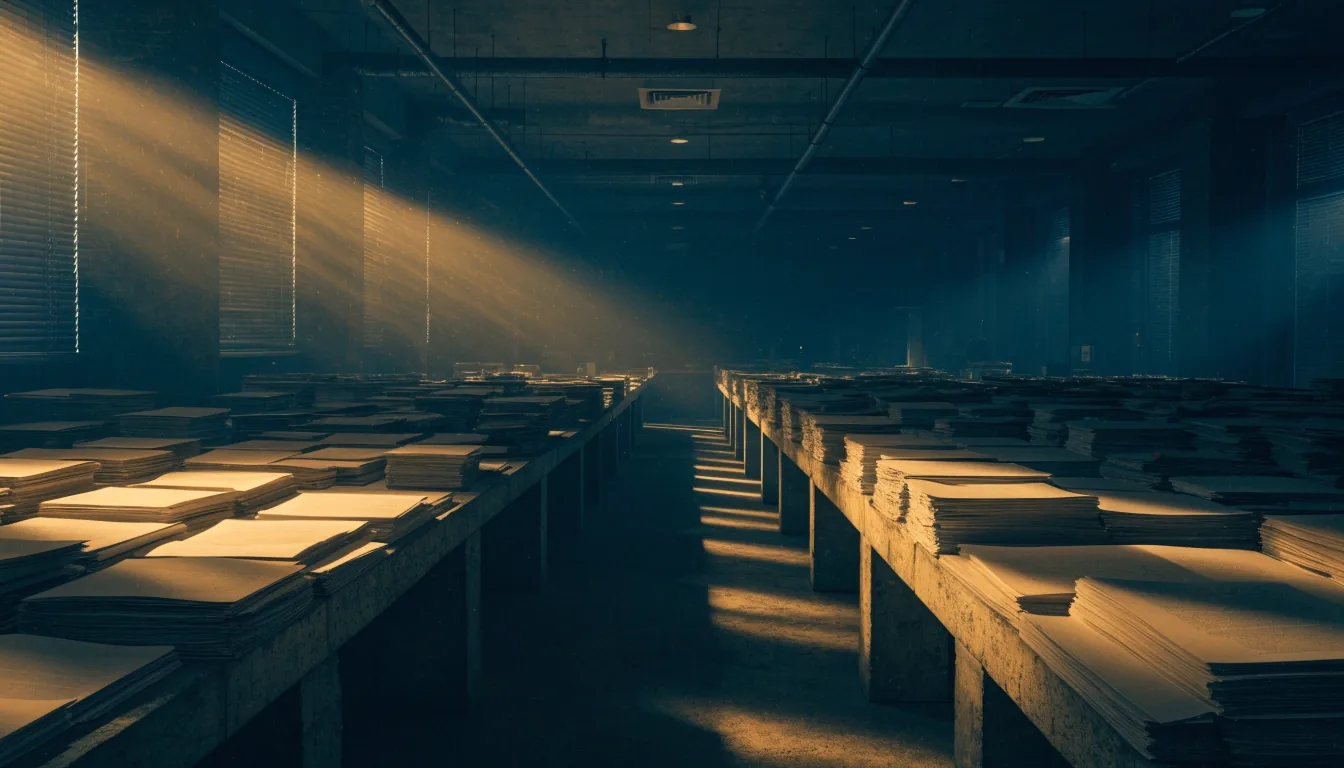
What reporting from the region actually costs
A corridor like this one takes a correspondent months to walk usefully. Access is negotiated, not granted, and the useful part of a trip is usually the meeting that was not on the schedule. We budget for that: two trips a year per regional desk, sustained over years rather than flown in for a news cycle, plus the translation and fixer work that makes a conversation possible at all.
It also means we sometimes publish less than competitors on a given day. When we cannot verify a claim from the field or from documents, we say what we know and leave the rest open — a thinner story that holds up beats a fuller one that does not.
Questions readers ask the desk
Do you accept outside submissions from reporters?
We do, for desks where we have regional gaps. Send a short pitch that names the story, the people you can reach, and what you already know. Pitches that arrive with documents move faster than ones that arrive with an angle.
How do you handle a story you cannot fully verify?
We publish what the sourcing supports and describe the gap in the piece itself. Where a claim is contested, we say by whom. Holding a story is common; publishing a version we cannot stand behind is not something we do.
Can readers flag an error or a gap in coverage?
Yes, and it is the fastest route to a correction. Write to the newsroom with the story, the sentence, and what you believe is wrong. If we agree, the fix is dated and attached to the piece. If we do not, we will explain why.
Is the newsroom open to visits or student enquiries?
On weekdays, by arrangement. We are in Brooklyn and reachable during office hours. Send a note with what you want to ask and we will tell you whether a desk editor can take the time.