
Economy / October 8, 2026
Trade Group Warns US-Made Tech Push Would Require Huge New Investment
Break down the CTA's cost estimates for onshoring ten product categories and what the numbers imply for industry and the grid.
What the estimate actually claims
The trade group put a range on the table: building out US production at home for ten commonly imported product categories would take roughly $185–230 billion in capital through 2031, and that money does not show up on a balance sheet by itself. It has to be raised, scheduled, and staffed before a single line runs.
The number is a working figure, not a verdict. It is meant to set the size of the question — what a policy shift toward domestic manufacturing would take in money, people, and time — and to force the argument away from slogans and toward a scheduling exercise.
The headline figures
- Estimated capital, through 2031
- $185–230 billion
- Product categories in scope
- Ten
- Additional workers the group says the build-out requires
- Hundreds of thousands
Figures as published by the trade group. Winslow Arsenault has not independently audited the underlying cost model.
The ten categories, ranked by what they ask for
Not every line is the same size of undertaking. The categories that require the deepest cleanroom and packaging ecosystems top the list; the smaller ones could plausibly move first and prove the model.
Memory
High-bandwidth memory and DRAM lines
Very heavy
Packaging
Advanced packaging and test capacity
Heavy
Power
Power semiconductors for vehicles and grids
Heavy
Substrates
Substrate and materials supply
Moderate
Networking
Networking and optical components
Moderate
Boards
High-density printed circuit boards
Moderate
Storage
Solid-state storage modules
Moderate
Sensors
Sensors and analog devices
Lighter
Passives
Passive components and connectors
First movers
Category ranking reflects the trade group's own breakdown and the relative complexity of each line, not a fixed investment order.
The grid is the quiet part of the bill
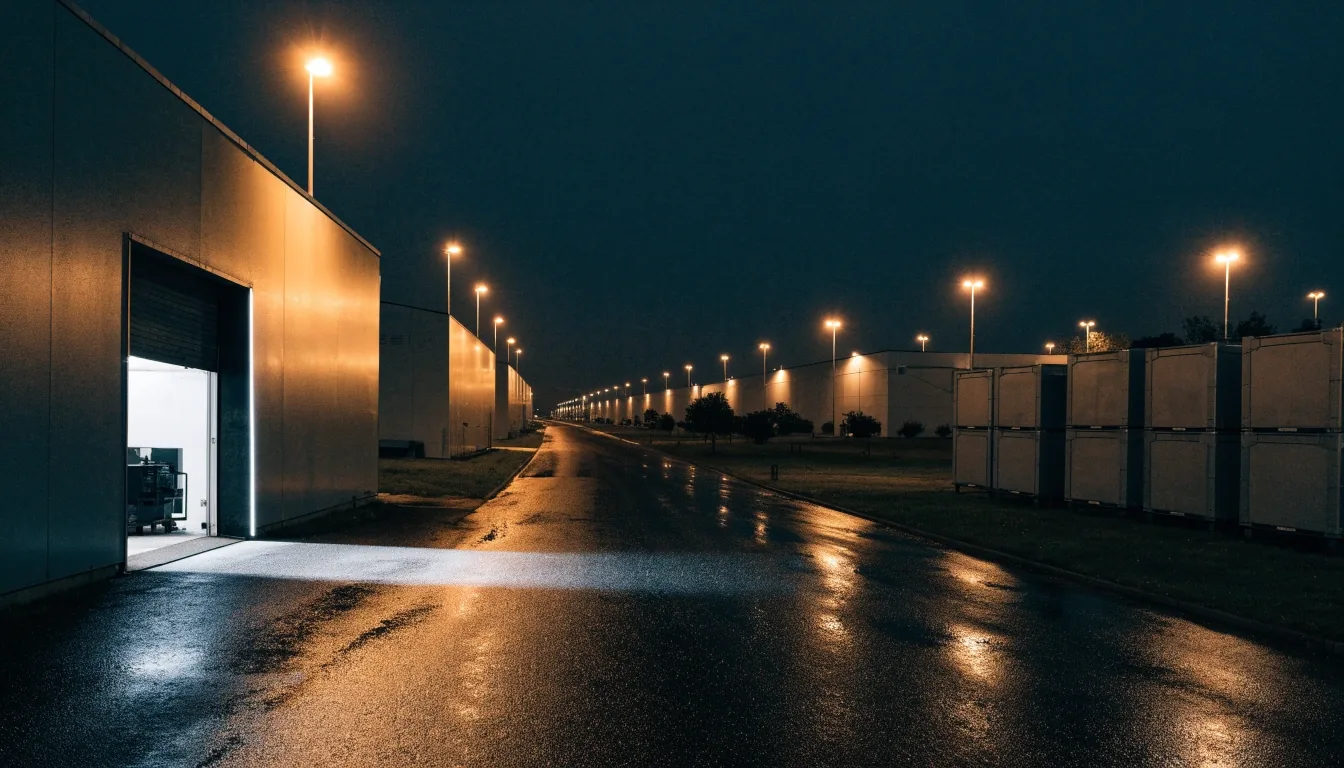
A fab campus is an industrial load on the same order as a mid-size city. The capital estimate covers tools and buildings; the substations, transmission upgrades, water treatment, and cooling infrastructure are where the timeline and the cost estimate start to drift apart.
Utilities would need to sequence new capacity years ahead of a tool install. That sequencing, not the tool order, is the binding constraint on most of the categories listed above.
Hundreds of thousands more workers, and nowhere near that many today
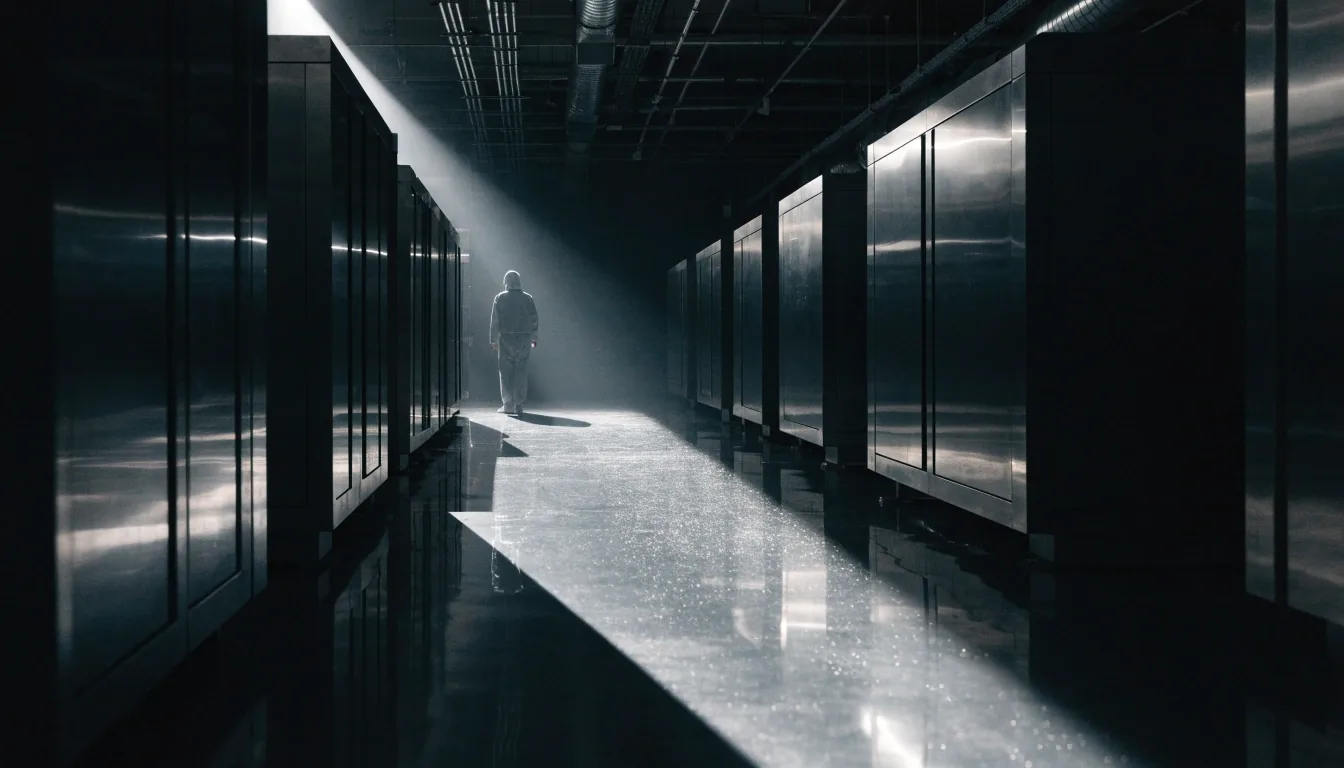
The trade group says the build-out would need hundreds of thousands of additional workers — process engineers, equipment technicians, construction trades, and the packaging and test specialists that support a working line. That is a hiring plan measured in decades, not quarters, because the skill base is built by doing the work on real tools.
The gap is not a shortage of applicants. It is the time it takes to train an equipment technician on a specific class of tool, to certify a process engineer across a full yield ramp, and to keep those people in a market where the same skills are in demand at every existing site. Apprenticeship pipelines, community college programs, and internal training all have to scale alongside the concrete.
Every category on the list depends on the same shared labor pool. That is why the cost estimate and the workforce estimate have to be read together: pouring a fab without the technicians to run it leaves a very expensive building.
What industry is watching for next
The figure matters less as a prediction than as a signal. If the estimate holds up, the policy debate shifts from whether the US should build domestic capacity to how the sequencing gets done: which categories move first, where the power comes from, and what the training pipeline looks like at the point the first tools arrive.
Industry has flagged three things to watch
- Which of the ten categories are treated as prerequisites for the others, and which can move in parallel.
- How utility capacity is scheduled against tool installation, since substations and transmission take years to build.
- Whether the workforce pipeline scales fast enough to run the plants once they are standing.
Where this story sits
Markets
Markets Fall as Renewed Iran Conflict Fears Shake Oil and Bonds
Defense
US Military Aircraft Losses in the Iran War Rise Sharply in New Report
Diplomacy
Washington Signals a Softer Stance on Uranium Enrichment in Iran Talks
Politics
Rubio Urges Europe and the US to Rebuild Western Strength
Americas
Brazil's Presidential Race Turns More Confrontational Ahead of Runoff
Questions readers keep asking
Who is the CTA in this story?
It is a trade association representing US technology manufacturers, and it published the cost estimate behind this report. The figure in the story is the group's own working number, not a government forecast.
Is the $185–230 billion figure a firm estimate?
It is a stated range through 2031, published by the trade group. Winslow Arsenault has not independently verified the underlying model. Treat it as the size of the question, not a settled number.
Why does the power grid matter to a chip story?
Advanced fabs draw industrial-scale power and water. The capital estimate covers tools and buildings, but utilities have to sequence substations and transmission years ahead of a tool install. That scheduling is often the real constraint.
Which categories could move first?
The lighter lines — passive components, connectors, and some sensor categories — are the most plausible first movers, because they need less cleanroom depth and their supply chains are simpler to stand up. The advanced logic and memory categories are the hardest and the most expensive.
Questions about this report or the reporting behind it?
Send a note to our newsroom, or check our editorial standards to see how we source, verify, and correct the stories we publish. Reader questions on the CTA's cost model and the grid implications are welcome.
Newsroom
Winslow Arsenault
370 E 31st St, Brooklyn, NY 11226, USA
StacyPhillips@winslowarsenault.com
Mon–Fri, 9:00 AM – 6:00 PM