
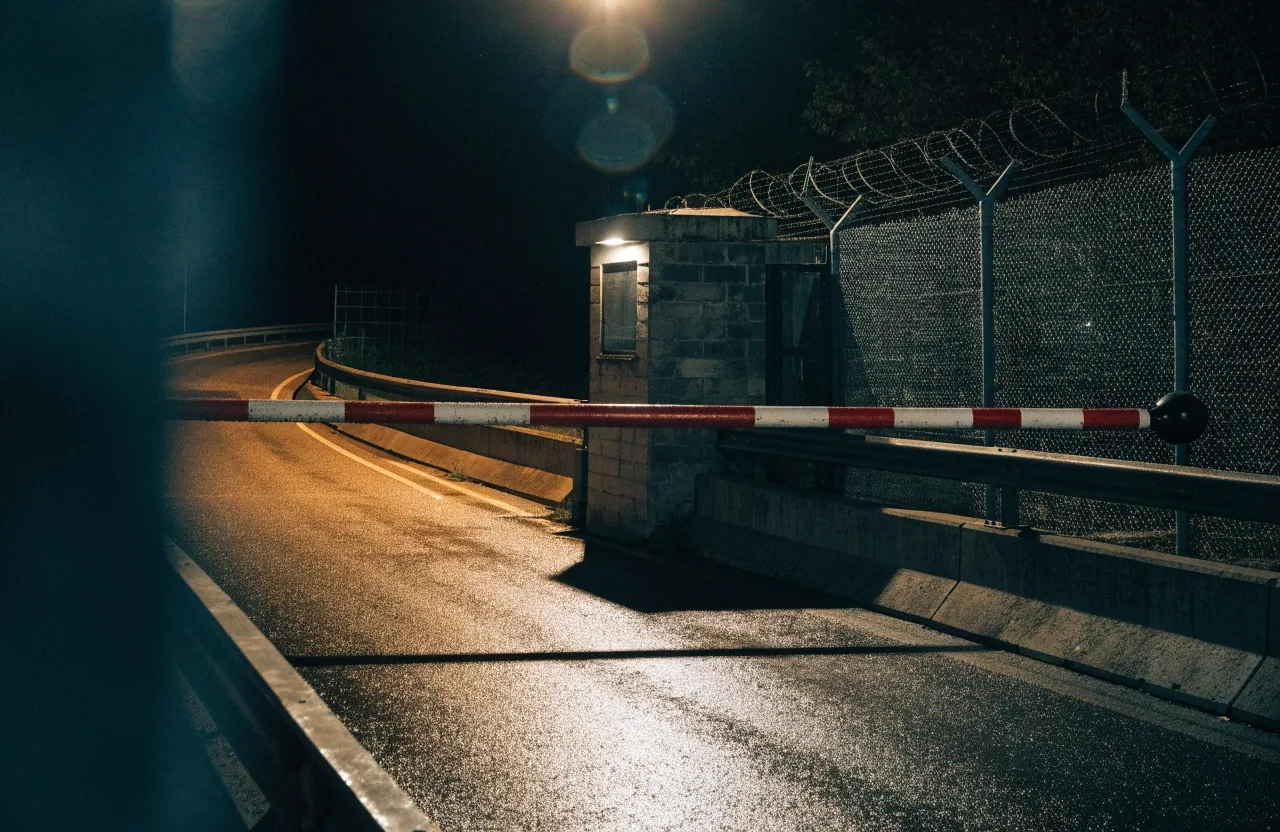
Putin Again Raises Nuclear Threats Amid Warnings Over Europe
The Kremlin returned to the nuclear register this week, pairing a fresh warning about Kaliningrad with the same ambiguous phrasing it has used toward European capitals since the invasion of Ukraine.
What the latest warning actually said
The statement was brief and conditional. Read carefully, it described a circumstance — an attack on Russian territory — rather than an intention. That distinction matters, because it is the same construction Russian officials have used for two years: a threat that is technically defensive, delivered in language that travels far beyond the room it was spoken in.
Analysts in Washington and Berlin read the phrasing as continuity rather than escalation. The signal is real; the novelty is not. What changes each time is the audience — this round was aimed at European governments weighing new defence commitments, and at publics already tired of the war's third winter.

The pattern
A familiar register, aimed at a new audience
Russian nuclear signalling toward Europe has followed a rough rhythm since 2022. Each cycle pairs a technical claim — about deployment, doctrine or readiness — with a political one about who is to blame for raising tensions. The two claims travel together because they are designed to.
For a US reader following European security, the practical question is not whether the threat is sincere, but what European governments do next with their defence budgets, their air-defence orders, and their public messaging. That is where the message converts into policy.
The geography behind the words
The enclave sits between Lithuania and Poland, connected to Russia by air and sea. Its military posture has been a running concern for NATO planners for years — which is why Moscow tends to reach for it when it wants a phrase that will be noticed in Brussels and Washington at once.
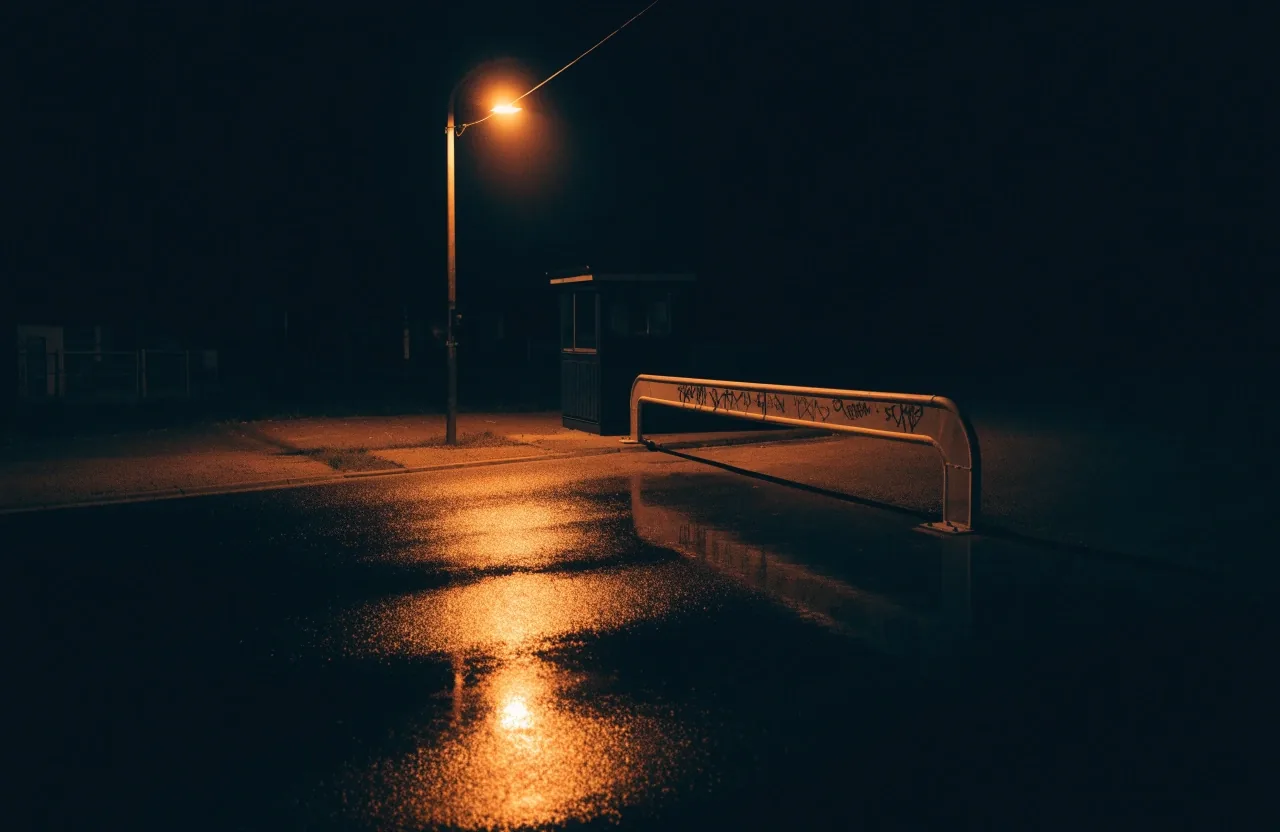
Roughly 1.4 million people live in Kaliningrad, an area slightly larger than Connecticut. Its neighbours are NATO members.
- Where it sits Between Lithuania and Poland, on the Baltic coast, cut off from the Russian mainland since 1991.
- Why it recurs Any statement about the enclave lands in both European security debates and US defence coverage at the same time.
- Recent pressure Lithuanian officials have tightened checks on rail freight crossing their territory toward the enclave — a live point of friction.
- What actually moves Air-defence rotations, naval patrols, and the routines of two alliance members watching the same border.
- How analysts read it As leverage language, deployed when Moscow wants European attention without changing its own military posture on the ground.
How to read nuclear signalling
Five questions that separate a signal from a shift
When a headline says a nuclear threat was raised, it helps to check what actually changed. These are the questions we ask before filing a story like this one.
-
Was the wording conditional or declarative?
A threat that describes a reaction to an attack is a lever. A threat that describes a plan is a doctrine change.
-
Did anyone on the other side respond?
Allied silence, a considered statement, or a rushed rebuttal each tell a different story about how the message landed.
-
What concrete thing moved?
Orders, deployments, exercises, or budgets. Without one of these, the message is political, not operational.
-
Who was the audience?
European capitals, US lawmakers, or a domestic audience weighing the cost of the war. The tone usually names the room.
-
Has this phrasing appeared before?
If the same construction has been used repeatedly since 2022, the story is about repetition, not a new posture. That is how we framed this week's report.
Related reporting from this desk
The nuclear question rarely sits alone. These stories follow the same thread from neighbouring beats.
Questions readers send us
We get the same handful of questions whenever the nuclear register returns. Here are the ones that come up most.
Should readers treat this as a new escalation?
No. The phrasing continues a pattern that has run since 2022. The story worth following is what European governments do in response, not the declaration itself.
Why does Kaliningrad keep coming up?
Because the enclave sits inside NATO's map. A phrase about it reaches several audiences at once, which is why it is convenient for signalling.
What changes if the warnings continue?
Analysts watch for three markers: whether the wording becomes declarative, whether deployments follow, and whether allied capitals shift from reacting to planning.
Where can I follow the reporting on this beat?
The Security and Europe sections carry most of it, and the newsletter rounds up the week each Friday morning. Sign-up details are on the newsletter page.
Can I send a correction or a tip?
Yes. Notes go to the contact desk and are read on weekdays between 9:00 AM and 6:00 PM. Reporters reply to substantive corrections first.
Keep following the story from where you live
The desk publishes analysis on European security, diplomacy and markets through the week. Read the archive, follow a section, or write to us with a question or a correction.
News desk
Reach the desk directly with a correction, a tip, or a question about this report.
- Email StacyPhillips@winslowarsenault.com
- Phone +1 718 462 8600
- Where we work 370 E 31st St, Brooklyn, NY 11226, USA
- Hours Monday to Friday, 9:00 AM – 6:00 PM