
Middle East
US Opens Direct Contact with Myanmar's Military Rulers After Years of Isolation
Diplomacy
Sections
Regions and beats
The publication
NewsletterNewsroom
370 E 31st St, Brooklyn, NY 11226, USA
Monday to Friday, 9:00 AM – 6:00 PM
Reach the newsroom
The world desk collects the stories that move borders, markets and negotiating tables. We keep the coverage in one place so a reader who checks in twice a week still sees how a conflict, a truce offer and a regional alliance connect — instead of reading three fragments from three different days.
Every item here answers the same three questions: what changed, who is talking, and what could follow. Where a development rests on a claim by one side, we say whose claim it is.
What this beat carries
Fighting that has already been confirmed by more than one source, with the reporting chain noted when a casualty figure or a front-line position is still contested.
Talks, truce offers and back-channel proposals tracked from the moment they are put on the table, including which governments or envoys carry them and what each side asks for before it will sit down.
Where a deepening partnership, a defense pact or a widening split changes logistics, energy routes or the tone of the next negotiating round.
Lead · Mediation
Kyiv · truce talks
What to watch: whether the truce proposals survive the next round of strikes, which outside government is willing to guarantee a ceasefire, and how quickly a pause would show up at the ports and on the energy grid.
The top row carries the story most likely to move the week. Below it, the beat narrows from diplomacy into markets, technology and security — the same grading we apply to the print edition.
Middle East
Diplomacy
Iran
Negotiations
Europe
Alliances
Markets
Oil · bonds
Americas
Elections
Security
Warnings
Today's lead
Truce proposals rarely arrive at a quiet moment, and this round is no exception. The offers now on the table are being made while energy infrastructure and port capacity are still under attack — which shapes what each side thinks a pause is worth.
Read the reporting for the sequence of who proposed what, which government agreed to carry the message, and where the terms still clash. The useful part is the order of events: a truce offer that comes after a strike round tells you something about how both sides are pricing their next move.

Kyiv · talks carried through third parties
A corridor is where most of this beat actually happens: envoys waiting for a door to open, a message handed over rather than announced.
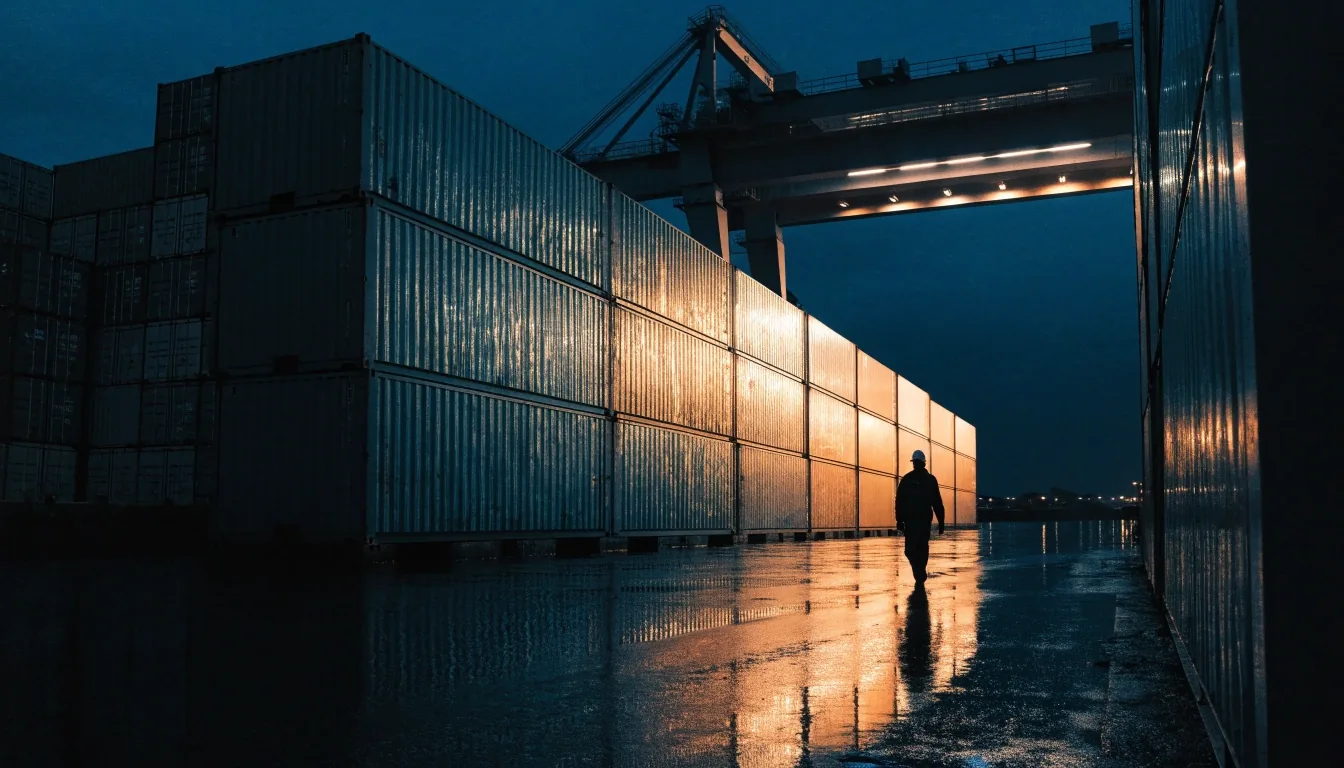
Port capacity and energy infrastructure are the two pieces of leverage that make or break a truce. They decide whether grain, fuel and armor move next month — which is why a pause in strikes at a terminal is treated as a signal, not just a lull.
We follow that chain from the negotiating table back to the dockyard: what each side is willing to stop hitting, how long that pause would hold, and who benefits first when it ends.
A truce proposal is a story with stages. Here is the order we report them in, and what each stage can and cannot tell you yet.
Someone states terms, usually through a third party. At this point the offer is real as an event and unknown as an outcome. We name who carried it, because the messenger is often a signal in itself.
A rejection, a counter-offer or silence. Silence is reported as silence — it is not proof that a deal is being prepared quietly, only that no public answer has come.
Strikes on ports, energy sites or supply routes are read as a test of resolve. A proposal that survives a heavy week is treated differently from one that arrives after a quiet one.
When a halt comes, we report it with the term it was agreed for and the monitoring arrangement named. If neither side has published those details, we say so.
Guarantors, neighbors and trade partners react last and matter longest. A truce that reshapes a defense relationship outlives the truce itself.
We do not forecast a settlement, and we do not publish casualty or equipment totals that a single side has supplied without saying whose figure it is.

Borders · the place where alliances show up as queues
Summit language changes slowly. A border changes in a day: a lane closes, a transit permit is withdrawn, haulers reroute. Reading the crossing tells you which partnership is deepening and which is being quietly walked back.
On this beat we treat logistics as evidence. Movement counts, customs delays and the identity of the country supplying a permit all carry more weight than a joint statement issued after the talks.
That is also how we read the question of whether a softened U.S. position in uranium talks produces something structural, or stays a move inside a longer negotiation. If it changes access, transit or pricing, we will see it route through a crossing first.
If you only check one story on this beat, make it the mediation file. It tells you where the fighting is heading before the fighting does — who is willing to sit down, what they want first, and which outside government has decided the risk of staying out is now higher than the risk of stepping in.
The same few things come up again and again. If your question is not here, write to the desk and we will answer it on the record.
A conflict earns a place on the world beat when it involves more than one government, moves a market or a border, or is the subject of an active mediation attempt. Fighting that stays inside a single country without wider consequences is covered, but usually inside its regional section rather than as a lead item here.
It means a proposal has been placed somewhere — publicly or through an intermediary — and that the next move belongs to the other side. It does not mean a deal is near. We report an offer the day it lands and then note every public response, or the absence of one, so you can see the negotiation status for yourself rather than take a summary on trust.
Because oil, bonds and shipping rates are how a distant conflict reaches a Brooklyn reader's own budget. When a report here moves a market, we carry the market reaction beside it — the connection between a strike and a price is part of the story, not a separate section.
Yes. The regional pages carry the same standard as this one, so a reader tracking Europe, the Middle East or the Americas can stay inside that lane. This page is where the lanes meet — useful when a story moves between two of them.
As soon as the error is confirmed, with a note at the foot of the piece saying what changed and when. Our editorial standards page sets out the full process, including what we do when a claim cannot be verified either way.
If you are following a mediation round closely, work in shipping or energy, or you have documents that clarify who proposed what, the world desk wants to hear from you. We read everything, and we confirm what we can before it appears on the page.
Desk hours and details
370 E 31st St, Brooklyn, NY 11226, USA
StacyPhillips@winslowarsenault.com
Monday to Friday, 9:00 AM – 6:00 PM
Keep reading: the archive holds the full history of the world beat, and the regional pages carry the same reporting from a single-country angle.