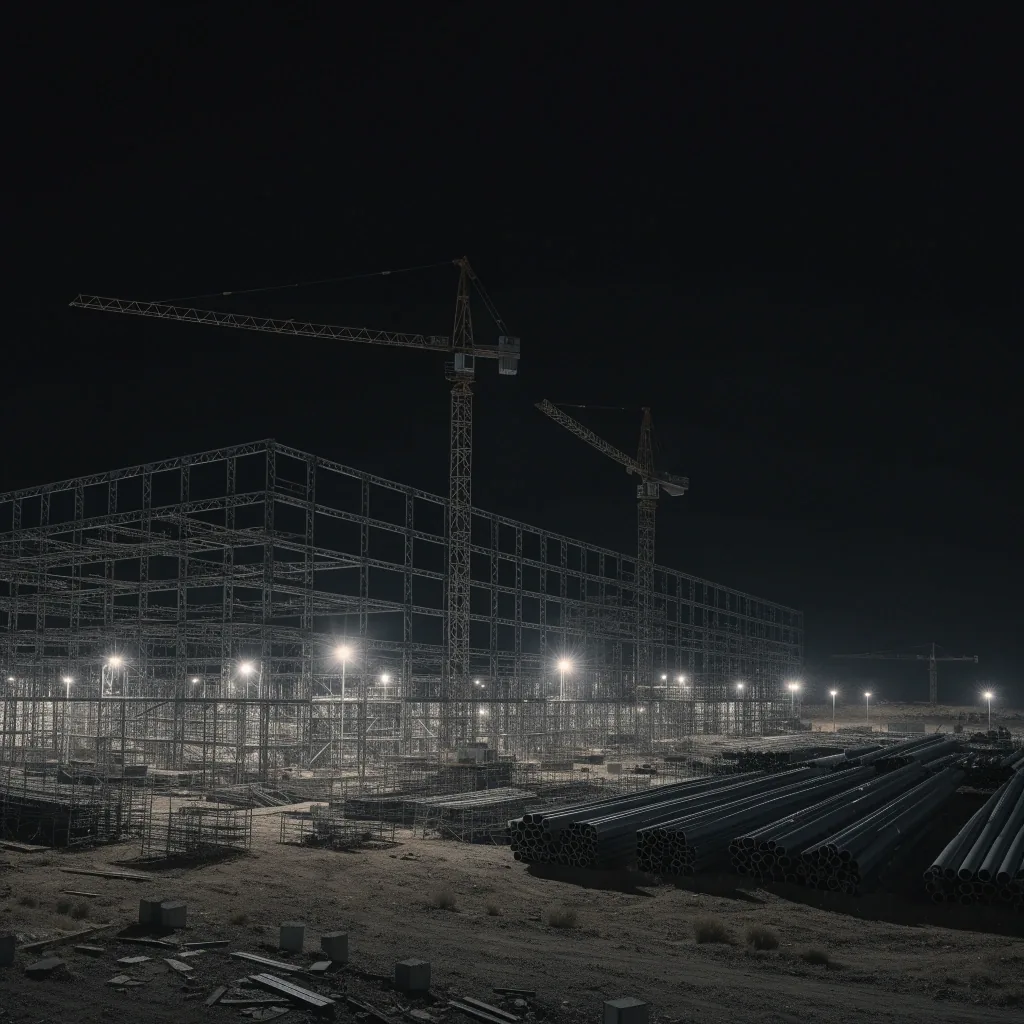
What a desert fab needs before it can pour concrete
Water recycling, a dedicated substation and a rail or highway corridor that can carry the cleanroom's oversized equipment. The parcel is the easy part; the utilities decide the schedule.
Sections
Regions and beats
The publication
NewsletterNewsroom
370 E 31st St, Brooklyn, NY 11226, USA
Monday to Friday, 9:00 AM – 6:00 PM
Reach the newsroom
Where the money actually goes
Every subsidy headline starts with the plant and ends with the plant's inputs: an industrial parcel with substation capacity, water rights, a road that can take oversized loads, and a workforce that does not exist yet in the surrounding county. When a company says it will move production home, it is describing a construction schedule first and a manufacturing line second. The tooling, the cleanroom, the specialty gases and the packaging often still arrive from abroad for years.
Read any reshoring announcement with three questions in hand: what share of the finished unit is built on US soil, how much of the announced number is private capital rather than public money, and who pays for the grid connection. Those three answers separate a real plant from a press event.

Land and site works
First outlay
Grid capacity and substations
Longest lead
Cleanroom and tool install
Multi-year
Training the first shift
Ongoing
Order of spending, drawn from how US and European plant announcements are usually structured. Lead times differ by site and by technology.
A national policy is really a map of site selections: desert fabs, Midwest battery plants, packaged-goods factories retooled for electronics. Industrial policy becomes an investment question the moment you see which regions can host a cleanroom and which can only host the announcement.
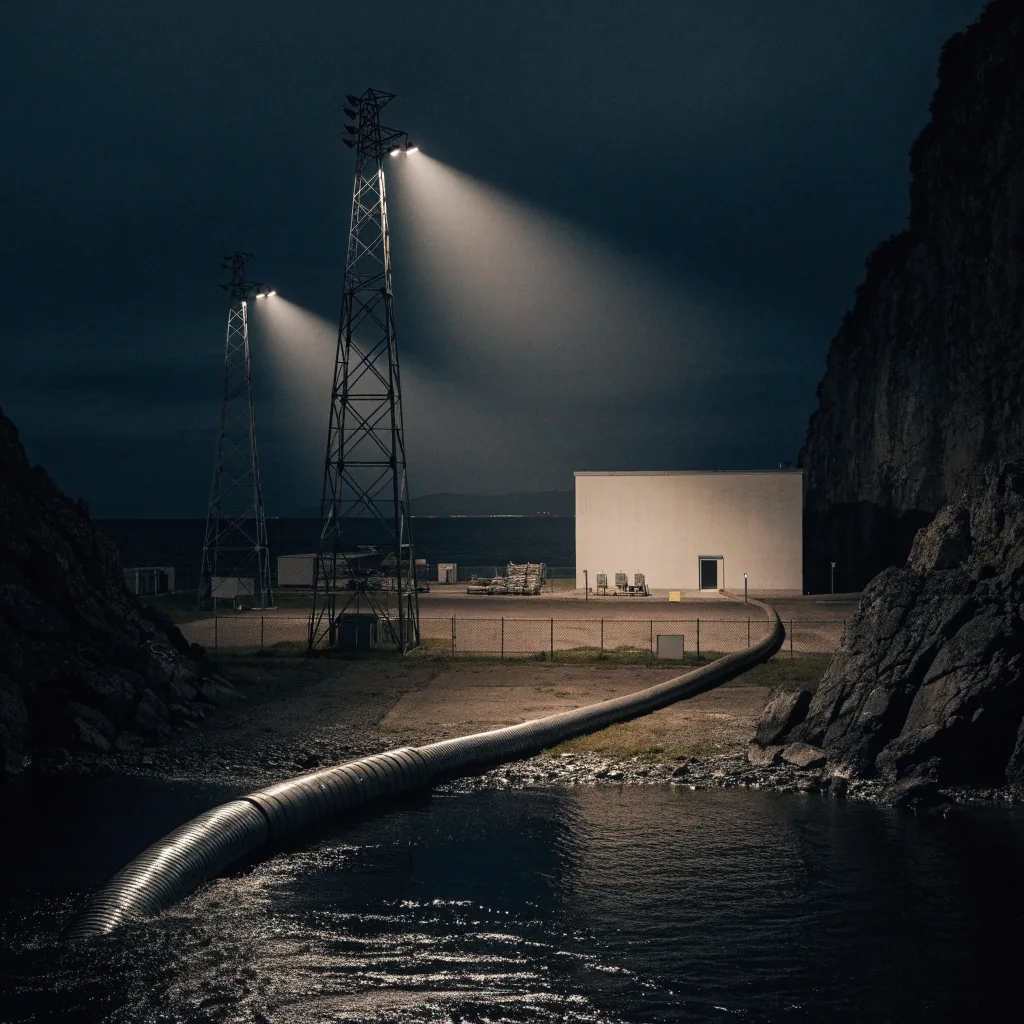
Water recycling, a dedicated substation and a rail or highway corridor that can carry the cleanroom's oversized equipment. The parcel is the easy part; the utilities decide the schedule.
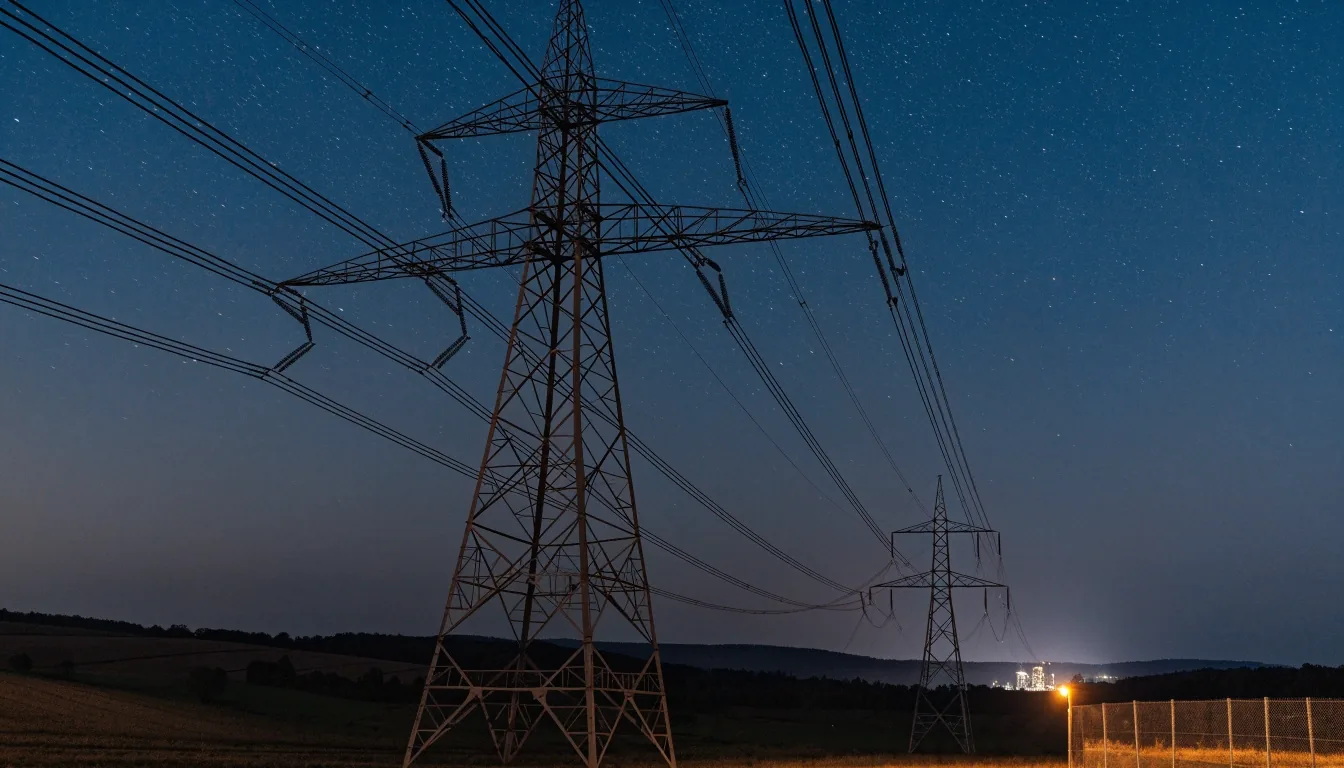
Cell factories are electricity consumers first. Sites compete on tariff structure, transmission capacity and how quickly a utility can deliver a new high-voltage line.
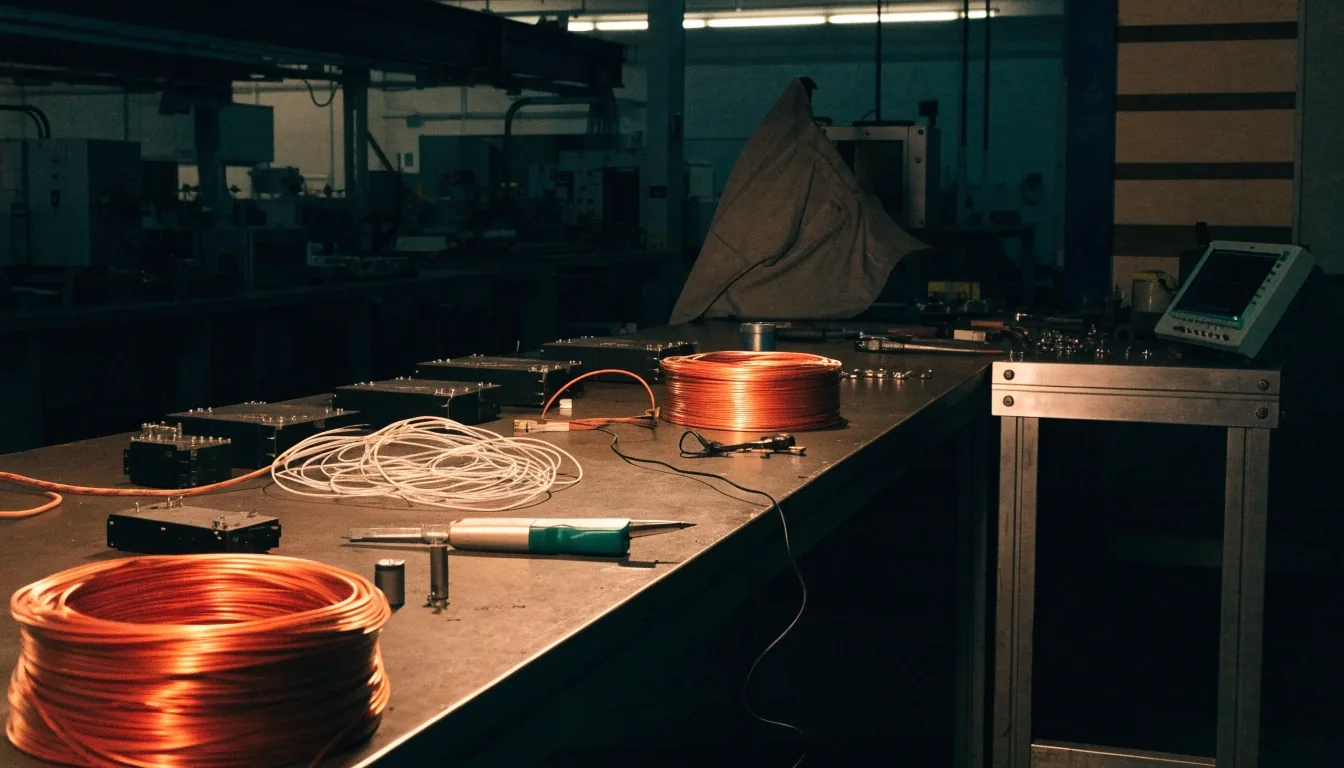
Specialty connectors, sensors and power modules are where re-shored assembly runs into parts that only a handful of suppliers make.
Moving final assembly to Ohio does not move the wafer, the cathode powder or the lithography service contract. In most categories the shipped-in intermediate goods simply arrive at a different dock, and the customs, freight and inventory costs follow. That is why some reshored products get more expensive per unit before they get more resilient — the bill is paid in working capital and in the number of suppliers a single line now depends on.
The visible factory. Companies count this as reshored; it is often the shortest step to relocate.
Films, foils, gases, ceramics. Few domestic makers, long qualification cycles, and the part of the chain that decides the real schedule.
Machines and consumable spares still cross borders. Service engineers travel with them, and visa and export paperwork becomes a production variable.
Process technicians and equipment engineers take years to train. A plant can open on schedule with a fraction of the shift it eventually needs.
An industry trade group has warned that pushing US-made technology would require a scale of new investment that existing plants and programs are not built to absorb, and that a large share of it falls on private balance sheets regardless of what Washington appropriates. The estimate is a useful measuring stick: it lets you compare any single plant announcement against the industry's own accounting of what a full shift would take.
Read the number as a gap, not a verdict. It describes how much capital, power and trained labour would have to appear before domestic output could cover the demand the policy assumes, and it names the categories — materials, tooling, components — where the shortfall is hardest to close.
Plant, tooling, grid upgrades and workforce training across the categories the group represents.
Local permitting delays, utility queues and the cost of running a line below capacity while it qualifies.
Compare a single plant's promised spending against the industry-wide figure to judge how far one site moves the total.
Announced capital divided by announced jobs produces an impressive figure and a misleading one. The math usually omits the infrastructure the public already paid for and the years before the line runs at capacity.
When the next plant or subsidy package lands, these are the questions that separate durable production from a scheduled press event.
Is the site already zoned and permitted, and who holds the power commitment?
How much of the announced capital is committed versus contingent on incentives clearing?
Which tier of the chain is actually moving, and which suppliers still ship in?
What does the local utility say about the connection date and the tariff the plant will pay?
How many of the permanent roles are engineering and technician positions rather than construction?
If the incentive package lapsed, would the plant still be built at this size?
Short answers to the parts of reshoring coverage that get argued about in our inbox. If your question is not here, write to the newsroom and we will add it.
Not automatically. Domestic production can cut freight and lead times while raising labour and energy costs per unit. Whether the buyer sees a lower price depends on which of those two effects is larger for that product, and on how much of the incentive is passed through. In categories where the plant runs below capacity for the first few years, unit costs often start higher than the imported equivalent.
Final assembly and packaging move first because they need buildings, power and people rather than specialized tooling. Wafer fabrication, cathode active material and advanced lithography equipment move last, because each depends on a small number of suppliers, long qualification cycles and process knowledge that only exists in a few places. A realistic timeline treats those tiers as separate programs, not one national switch.
Separate construction jobs from permanent positions, then check whether the permanent figure describes the plant at full ramp or at opening. A number attached to a ribbon-cutting usually describes a fraction of the shift the site eventually hires. Where possible, compare it against the same company's employment at comparable plants it already operates.
A large one. Advanced plants draw power at a scale that requires new transmission and substation work, and those projects have their own permitting and construction timelines. Utilities publish interconnection queues, so the connection date in a public filing is often more informative about a plant's real opening than the company's own target date.
Company filings, public incentive agreements, utility interconnection documents and statements from the trade groups involved. Our editorial standards explain how we attribute sources and how we handle figures that companies dispute.
Winslow Arsenault
370 E 31st St, Brooklyn, NY 11226, USA
Monday to Friday, 9:00 AM – 6:00 PM
Keep reading the technology beat
New reporting on industrial policy, supply chains and the cost of moving technology production onto US soil runs through the technology section and the news archive. If you are working on a plant, a subsidy package or a supplier decision, the newsroom takes tips and questions by phone and email during office hours.
Phone +17184628600 · Email StacyPhillips@winslowarsenault.com · Editorial standards